Feeling Lonely in a Relationship?
You’re in a relationship. You’re fine. Everything is fine.
Except there’s this feeling that shows up at dinner when the conversation stays vague and generic for the fourth night in a row. And at night when you’re lying next to someone and still feel completely unreachable. And when something happens, good or bad, and your first instinct is to tell literally anyone else first.
Feeling lonely in a relationship is one of those things a lot of women carry quietly because it contradicts the story they’re supposed to be living. You have a partner. The loneliness isn’t supposed to be there—but it is.
This article is here to give you a clear framework for understanding what your loneliness is actually telling you.
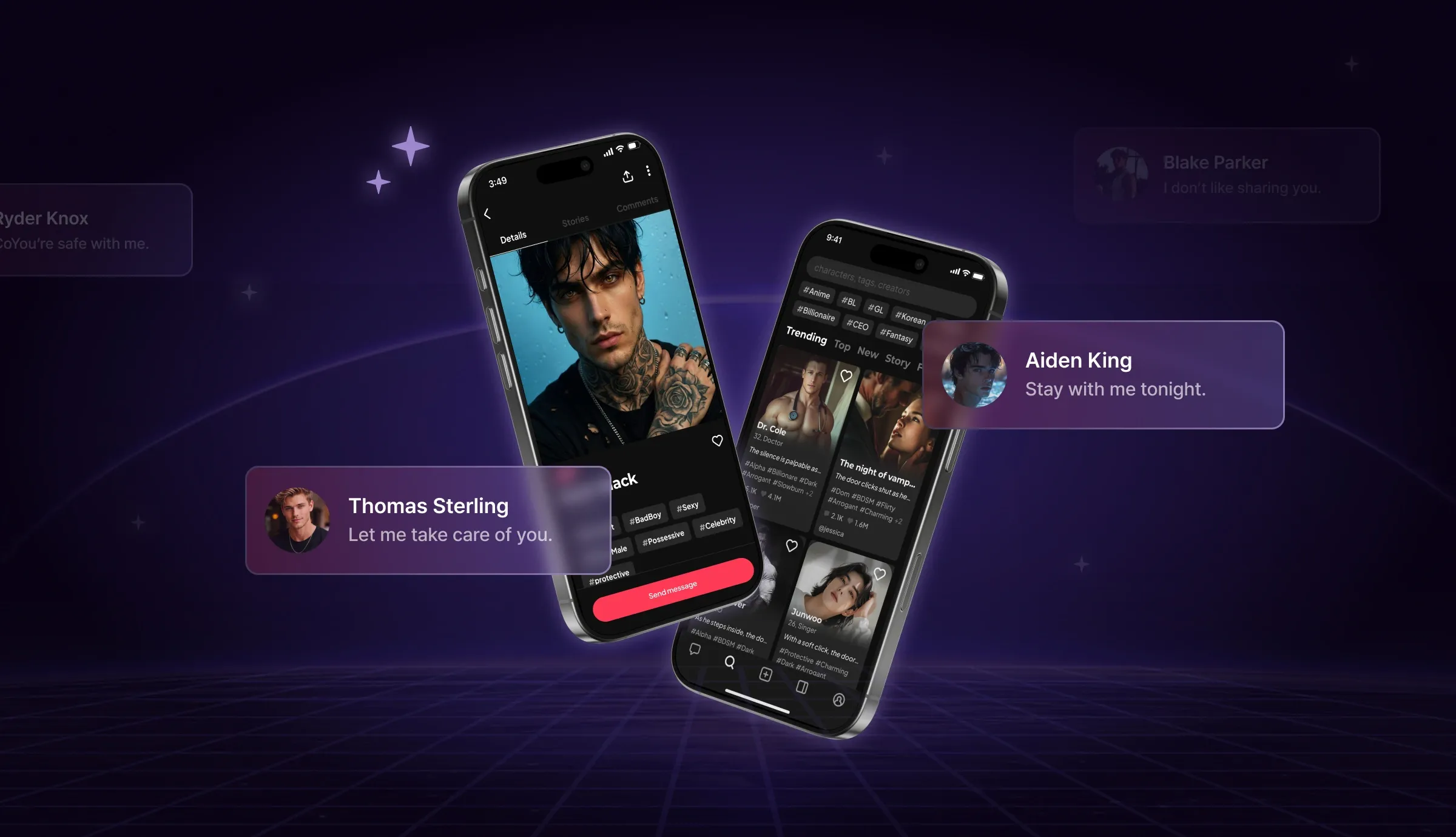
Sometimes you just need a space where you can say what you’re actually thinking without filtering it. dotdotdot is a private conversation space where you can talk things through freely, without it connecting back to your real life.
Table of Contents
What Does “Feeling Lonely in a Relationship” Actually Mean?
Loneliness inside a relationship is not the same as being alone. You can be surrounded, partnered, constantly in someone’s physical presence, and still experience a profound sense of emotional isolation. You can think of it as the gap between the connection you need and the connection you’re actually receiving.
That gap doesn’t require anyone to be cruel or absent. Nor does it require a bad relationship. It requires only that two people have drifted to different emotional frequencies, and that one of them has noticed.
Most people who feel it don’t name it. They call it a rough patch, blame it on a busy week, wait for it to pass. The fact that you felt it clearly enough to search for words around it means you’re already past that. You’re not looking for reassurance that everything is fine. You’re looking for an honest answer. That’s the right starting point.
The Real Reasons It Happens
Loneliness in a relationship rarely appears out of nowhere. It tends to develop through one of a few recognizable patterns.
Emotional distance that built quietly over time. Couples often start with high emotional availability and gradually drift into a more functional or “autopilot” mode, coexisting rather than connecting. Nobody made a decision to become emotionally distant. It just happened.
Mismatched emotional languages. One person expresses and needs emotional connection through conversation and vulnerability. The other expresses care through action, presence, or practical support. Both are trying. Neither is receiving what they need. Both can end up feeling unseen.
Life transitions that pushed intimacy aside. A new baby, a demanding job, a family illness. Life goes into survival mode and months pass before either person notices how far apart they’ve drifted.
Carrying the emotional labor alone. When one person is consistently the one who initiates, tracks, repairs, and reflects on the relationship, the labor imbalance creates loneliness even in the presence of love. You can love someone and still feel entirely alone in the relationship.
Emotional unavailability that was always there. Sometimes the loneliness isn’t new. Sometimes it’s the slow recognition that a partner has never been particularly emotionally available, and what felt like independence in the beginning now feels like absence.

Not All Relationship Loneliness Is the Same.
Before you decide what to do, it helps to know what you’re actually dealing with. These feel similar from the inside but they’re not the same problem.
You’ve drifted. You still like each other. You still function fine as a unit. But somewhere along the way the real conversations stopped. You don’t talk about what’s actually going on with either of you anymore. This is the most common version and usually the most fixable, but only if both people are willing to have the conversation and do something about it.
Life got heavy. Job loss, grief, a family crisis. Ask yourself one question: does he come back when the pressure lifts, or is emotional distance just his default? The answer tells you whether you’re dealing with a season or a pattern.
You reach and consistently get nothing back. This one is different. It’s not drift and it’s not stress. Every time you try to connect, something deflects it: a distraction, a dismissal, mild irritation, silence. That’s a pattern, and it requires a different kind of honesty about what’s actually available in this relationship.
Something feels unsafe. If the loneliness comes with consistent criticism, contempt, or the sense that expressing a need makes things worse rather than better, the framing changes entirely. This isn’t a communication problem to work through. It’s worth talking to someone outside the relationship about.
You don’t need to have this figured out perfectly. But knowing roughly which of these you’re in changes what you do next.
Things You Can Do That Actually Help
Communicating more, scheduling quality time, trying couples therapy: none of that is wrong. But there are a few things that tend to matter more, especially early on when you’re still figuring out what you’re dealing with.
Stop minimizing the feeling first. Before any conversation or decision, there’s usually an internal shift that has to happen: accepting that the loneliness is real information and not a personal failing. You don’t have to act on it immediately. But you do have to stop ignoring it.
Pick the right moment. Raising this in the middle of a stressful week, late at night, or mid-argument rarely goes well. A simple “I’d like to talk about something that’s been on my mind, can we find a time?” is enough.
Pay attention to how it lands. How your partner responds to a vulnerable conversation tells you more than the conversation itself. Defensiveness that eventually gives way to curiosity is different from flat dismissal. Responsiveness, even imperfect, is a meaningful signal.

The Things That Make It Worse
A few patterns deepen loneliness rather than resolve it. Most of them feel completely reasonable in the moment.
Quietly shrinking what you need. You decide your needs are too much and start asking for less. The relationship stays friction-free. You get lonelier. It feels like being the bigger person. But it’s actually just making yourself smaller.
Trying harder to compensate. More effort, more availability, more initiative, hoping that if you give enough the gap closes itself. Sometimes it does. More often you just end up carrying more weight and resenting it.
Picking fights because at least that feels like contact. When real closeness isn’t available, conflict produces at least the sensation of being seen. It works for about ten minutes and makes everything worse after that.
Staying busy enough not to feel it. Social media, work, a packed calendar, other people’s dramas. The feeling doesn’t go anywhere.
Waiting for him to notice. He probably won’t. Not because he doesn’t care, but because the loneliness lives inside your experience, not his. Waiting for someone to fix something they don’t know is broken is a very long wait.
You Noticed It. That’s Already the Hardest Part.
Most people sense the distance and talk themselves out of it. They wait, and sometimes things shift, and sometimes years pass.
You don’t need a plan yet. You don’t need to know whether this is something you can fix or something you need to walk away from. You just need to keep taking it seriously, which you clearly are.
If part of what’s missing is feeling like someone is genuinely focused on you, curious about you, responsive to what you actually say, dotdotdot is worth exploring. It’s not a replacement for a real relationship. It’s a space where you get to lead: choose who you’re talking to, shape how the conversation goes, and experience what it feels like to have someone’s full attention. Some women use it for fun. Some use it to decompress. Some use it to remember what it feels like to actually be heard.
Curious What It Feels Like to Actually Be Heard?
dotdotdot lets you choose who you talk to and lead the conversation wherever you need it to go. Some women use it to think things through. Some use it just to feel something different for a while.
Frequently Asked Questions About Feeling Lonely in a Relationship
Is it normal to feel lonely in a relationship?
Yes, and more common than most people talk about openly. Feeling lonely in a relationship does not mean your relationship is failing or that you are asking for too much. It usually means there is a gap between the emotional connection you need and the one you are currently experiencing. That gap does not require anyone to be cruel or absent. It requires only that two people have drifted to different emotional frequencies, and that one of them has noticed.
What causes loneliness in a relationship?
The most common causes are emotional distance that builds gradually over time without either person deciding to become distant, mismatched ways of expressing and receiving connection, life transitions that push emotional intimacy aside, carrying the relational labor alone, and in some cases a partner who has always had limited emotional availability. Understanding which one applies to your situation shapes what comes next, because they are not all the same problem.
Can you love someone and still feel lonely in a relationship?
Yes. Feeling lonely in a relationship is not the same as falling out of love. You can genuinely love a person and still feel emotionally unreachable to them. The loneliness is about connection, not affection. Both can be true at the same time, and often are.
How do you tell if feeling lonely in a relationship is a phase or a deeper problem?
A phase usually has an identifiable external cause, such as stress, grief, or a major life transition, and tends to improve when circumstances change. A deeper pattern shows up differently: when you reach toward connection, you are consistently not met there, regardless of what is happening externally. The trajectory also matters. Ask yourself whether things are getting better, staying flat, or quietly getting worse over time. That answer tells you more than any single moment does.
What should you do when you feel lonely in a relationship?
Start by getting specific about what is actually missing, not just a general feeling of disconnection but the particular thing you need that you are not getting. Find somewhere private to think it through before any big conversation. When the time feels right, raise it directly with your partner and pay close attention to how they respond. Responsiveness, even imperfect responsiveness, is a meaningful signal about what is actually possible in the relationship.
Can feeling lonely in a relationship be fixed?
It depends on the kind of loneliness you are dealing with. Connection drift, where two people have gradually moved away from emotional intimacy without either noticing the exact moment it happened, is often reconnectable with honest conversation and genuine effort from both people. Chronic emotional unavailability is a different situation and usually requires a harder look at whether the connection you need is actually available here, rather than whether you are communicating it clearly enough.

A Space That’s Yours, On Your Terms
Create a character, start a story, and experience what it feels like when someone is fully focused on you. Download dotdotdot and see where it takes you.