How Do AI Boyfriend Apps Work? A Clear Guide to AI Companions and Storytelling
AI boyfriend apps work by combining large language models, character design frameworks, and memory systems to simulate romantic interaction through text-based storytelling.
When a user sends a message, the app analyzes the context, applies the relevant character traits and relationship rules, and generates a response that fits both the personality and the evolving narrative.
With the rise of artificial intelligence, AI boyfriend apps have become a method people use to explore emotional connections and interactions.
This guide explains how AI boyfriend apps actually work, what application design choices shape the experience, and why story-driven AI boyfriend apps like dotdotdot feel different.


Table of Contents
The Technology Behind AI Boyfriend Apps
At the foundation of all AI boyfriend apps is a language model. This core technology is responsible for generating responses and shaping how conversations feel.
How AI Boyfriend Apps Generate Responses
Most AI boyfriend apps rely on a large language model, a type of AI trained on massive amounts of text so it can generate natural-sounding responses.
When you send a message, the AI does not “feel” emotions or think independently. Instead, it analyzes:
- what your message says
- the context and setting of the conversation
- any character rules or memory it has access to from your past interactions
Then it generates a response that fits the character’s tone and the current situation.
The difference between a great AI boyfriend experience and a generic chatbot is not intelligence alone. It is how well the AI is guided by character design, memory, and narrative structure.
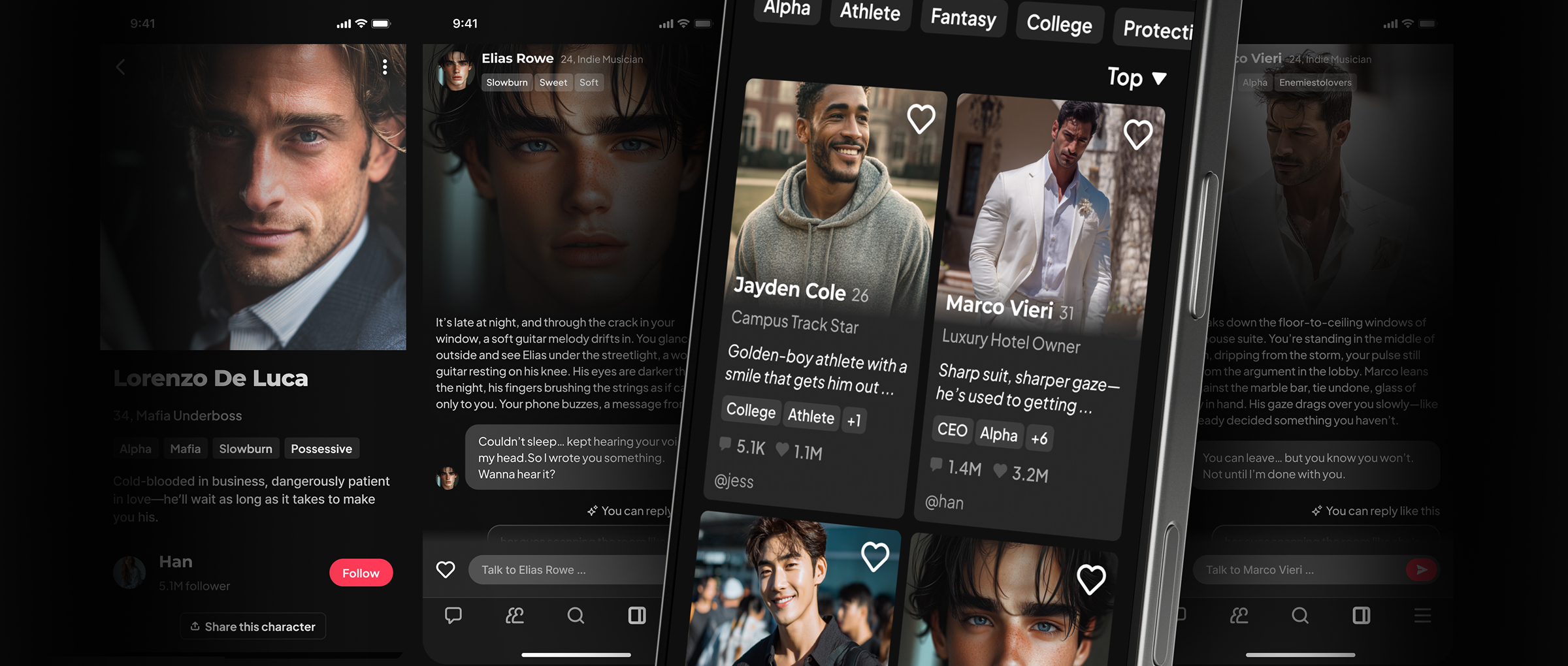
Characters: The Heart of AI Boyfriend Apps
Every AI boyfriend app starts with a character.
Without a strong character framework, even talking with the most advanced AI can feel meaningless or dull.



How AI Boyfriend Characters Are Created
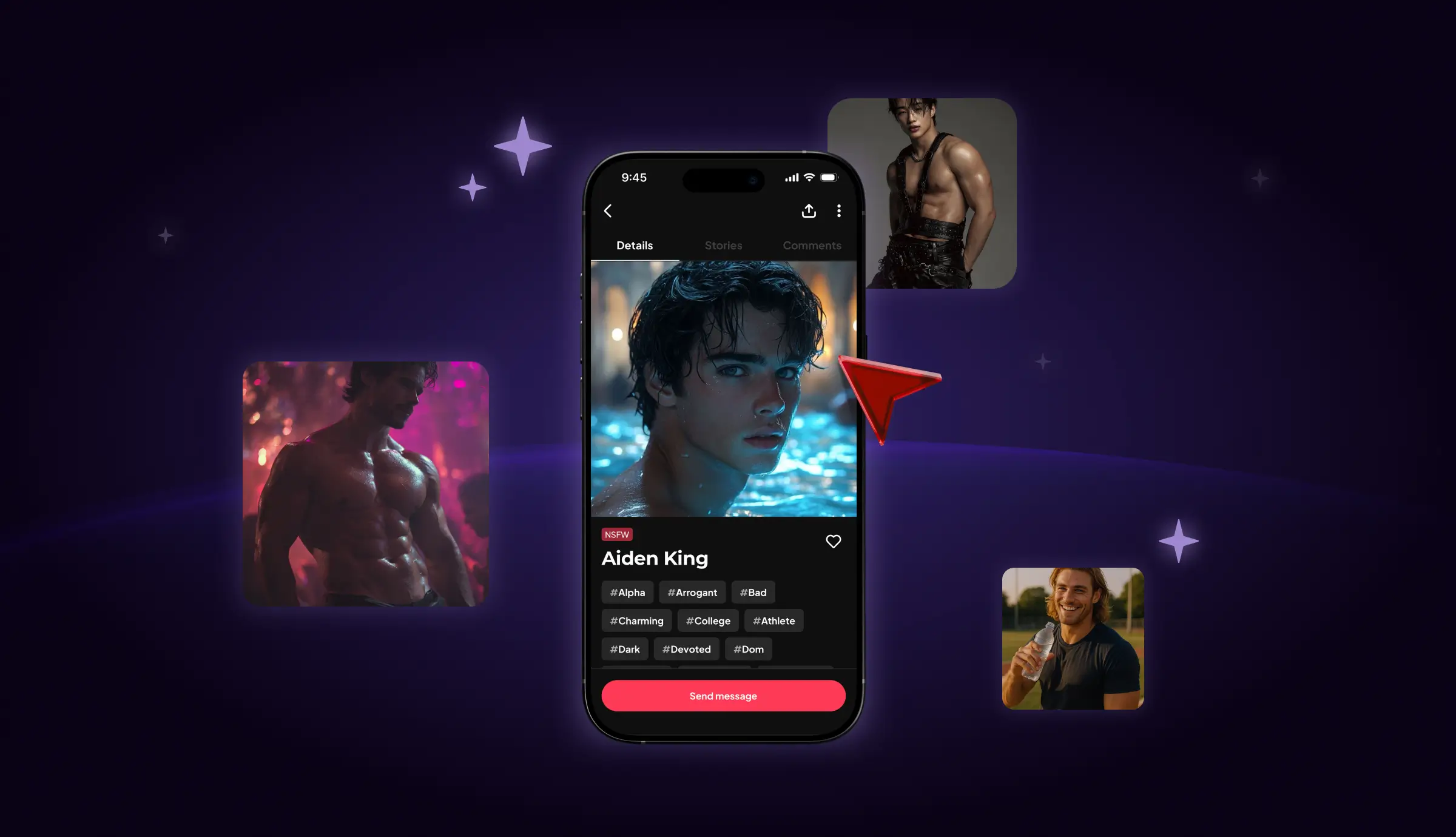
Characters are usually a combination of the following elements:
- A backstory or setting
- Personality traits such as gentle, confident, sarcastic, or reserved
- Relationship context such as boyfriend, rival, friend, or stranger
- Boundaries and behavioral rules
This information shapes how the AI responds. A caring character may reassure you during stressful moments, while a playful one might make jokes to lighten up the mood.
Some platforms only offer pre-written characters. Others allow users to design their own characters through prompts and trait selection.
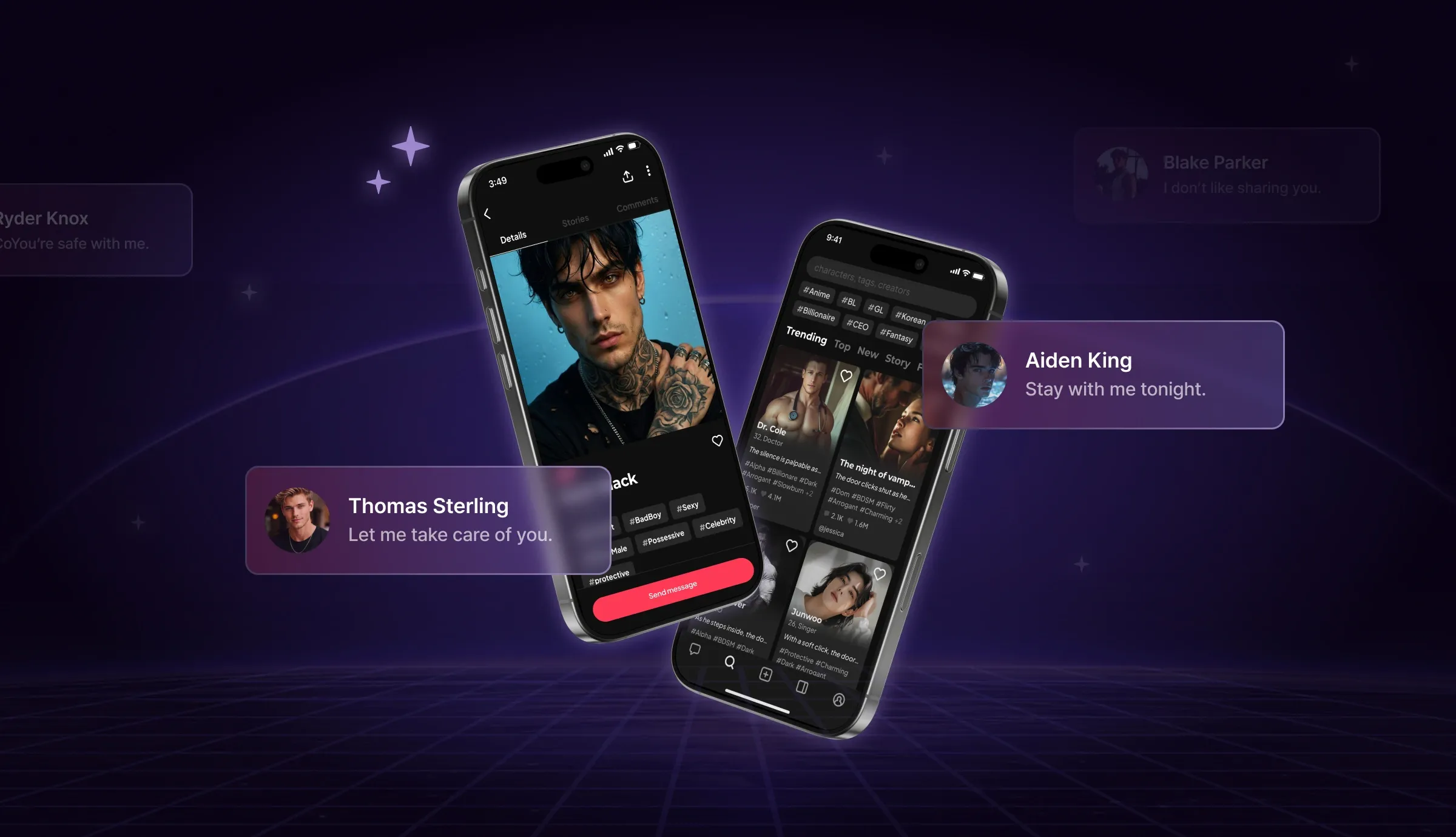
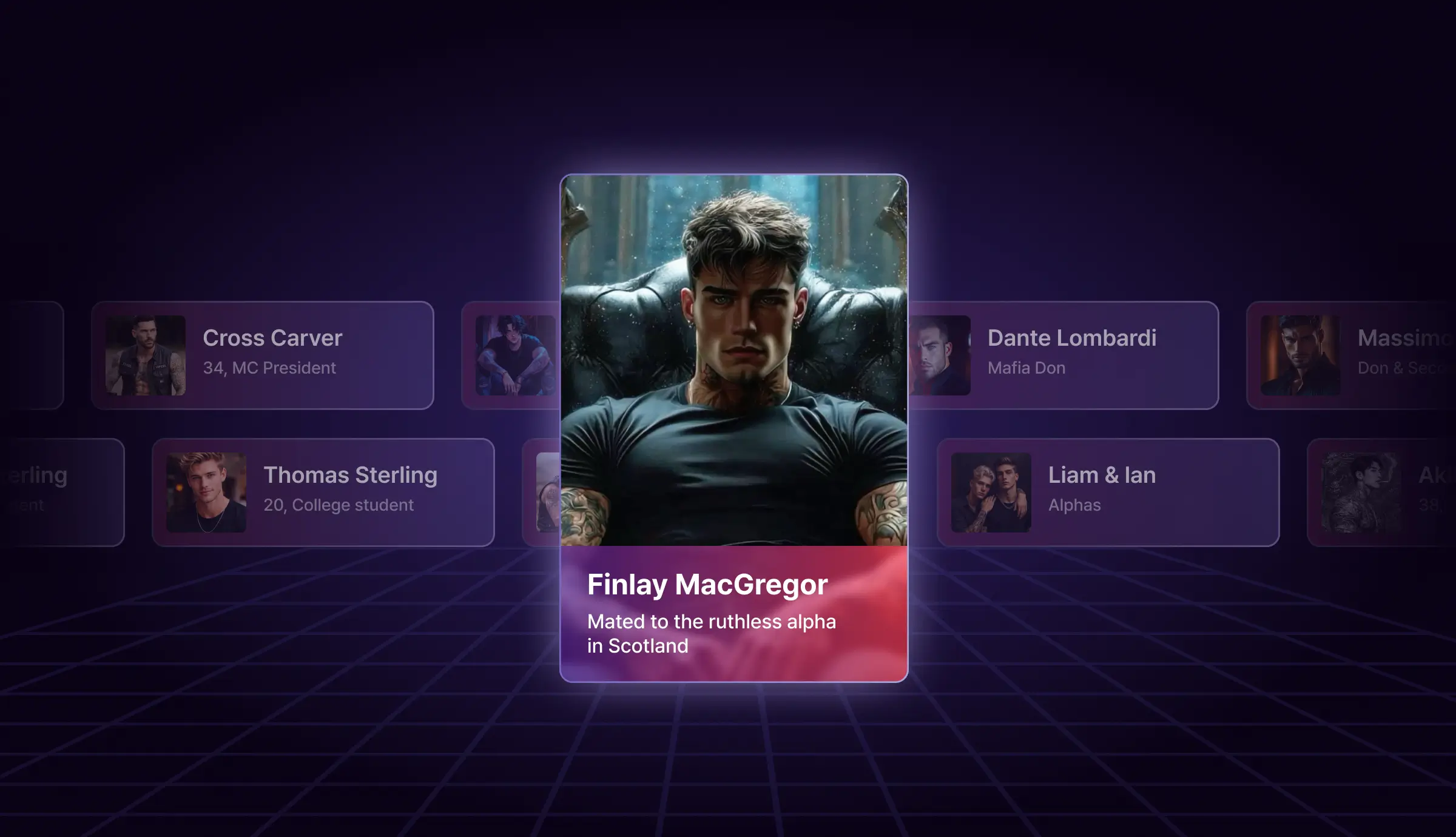
AI boyfriend apps like dotdotdot support both. Users can choose from over 20,000 existing characters across genres like romance, fantasy, or forbidden-love.
Alternatively, dotdotdot users can also create their own AI character from scratch, which helps prevent conversations from feeling repetitive or generic.
Why Character Design Matters
Strong character design:
- keeps responses consistent
- prevents characters from drifting to different personalities
- makes roleplay and storytelling feel real
When character rules are weak, conversations tend to feel unnatural.
Memory Systems: What Makes An AI Boyfriend Feel Persistent
Memory systems are a key architectural difference between AI boyfriend apps. The way memory is implemented determines whether conversations persist across sessions or reset.
Observations From Community Discussions
To better understand immersion factors, the dotdotdot team reviewed public discussions across AI companion and roleplay communities.
Across multiple threads, two recurring themes emerged: persistent memory and character stability. Users frequently distinguish between apps that maintain long-term context and those that rely primarily on session-based interactions.
These discussions reinforce how memory architecture and character frameworks directly shape perceived continuity.
Short-Term Memory
All AI boyfriend apps rely on short-term memory.
This allows the AI to remember what was said earlier within the same active conversation session. It enables the character to respond coherently and maintain context in the moment.
However, once the session ends, that conversational context may disappear. When the user returns later, the AI character may interact without recalling previous events. This limits persistence across sessions.
Long-Term Memory
Some AI boyfriend apps implement long-term memory systems that store information over time, such as:
- your name or preferences
- past conversations or emotional moments
- relationship progress or story events
Long-term memory allows characters to reference earlier interactions days or weeks later, creating a sense of continuity and relationship progression.
Persistent memory allows for continuity across sessions.
Memory is complex and costly to maintain at scale for companies, which is one reason many AI boyfriend apps limit it. However, it is also one of the strongest predictors of whether users stay or leave.
Some platforms, including dotdotdot, implement long-term continuity systems. Characters remember your choices and relationship context across sessions, reducing repetition and strengthening narrative progression.
Chat-Based vs Story-Driven AI Boyfriend Apps
Most AI boyfriend apps fall into one of two styles.
| Feature | Chat-Based AI Boyfriend Apps | Story-Driven AI Boyfriend Apps |
|---|---|---|
| Interaction style | Free-form messaging, similar to texting | Structured conversations that unfold like a story |
| Conversation flow | Open-ended, can drift over time | Guided by narrative logic and pacing |
| Emotional depth | Good for light support and quick check-ins | Designed for emotional progression and immersion |
| Memory use | Often limited to the current session | Typically relies on persistent memory |
| Character consistency | Can vary depending on the conversation | Strong character rules keep behavior consistent |
| Best for | Casual chats, short conversations | Ongoing roleplay, storytelling, long-term connection |
| Overall feel | Like chatting with a bot | Like co-writing an interactive story |
Story-driven systems feel closer to interactive fiction than messaging. They require stronger character rules and memory, but they also create deeper immersion.
Why Some AI Boyfriend Apps Reset Conversations
The following are three common reasons why an AI boyfriend might forget context or previously mentioned information:
- Technical and cost constraints: Storing long-term memory for every user is expensive and platforms limit memory to reduce costs.
- Safety and Moderation: Platforms must ensure harmful patterns or emotional dependency are not reinforced over time. Resetting the conversations solves this.
- Intentional Design Choices: Some AI boyfriend apps are built for short, disposable interactions rather than ongoing relationships. In those cases, resets are a feature, not a flaw.
Understanding this helps explain why two apps labeled “AI boyfriend” can feel completely different to use.
Emotional Connection Without Real Emotions
A common misconception is that AI boyfriends “feel” emotions. They do not.
AI boyfriend apps simulate emotional responses using language models, character rules, and contextual memory. The experience can feel empathetic, but the system does not have awareness or real emotional states.
However, this does not mean the conversations users have with their AI boyfriends are meaningless.

A 2025 systematic review published in Computers in Human Behavior Reports analyzed 23 peer-reviewed studies on romantic AI companions. The researchers found that users often report perceived emotional support, companionship, and stress relief when interacting with AI partners. At the same time, the review also identified risks such as over-reliance, stigma, and emotional displacement.
In other words, AI boyfriend apps can create the feeling of emotional connection without actual emotion.
When designed responsibly, these apps aim to provide:
- A private space for expression
- Creative storytelling and interaction
- Structured romantic simulation within fictional boundaries
Understanding this balance helps explain both the appeal and the limitations of AI boyfriend apps.
The Future of AI Boyfriend Apps
As AI chat technology improves, AI boyfriend apps are likely to offer:
- stronger long-term storytelling
- more nuanced emotional simulation
- better user control over boundaries
As the space grows, platforms that prioritize transparency, creativity, and user agency are likely to stand out.
Ready to Try an AI Boyfriend App?
Understanding how AI boyfriend apps work is only the beginning. Download dotdotdot and create your own AI companion to experience personalized conversations and interactive storytelling.
Frequently Asked Questions About AI Boyfriend Apps
How do AI boyfriend apps work?
AI boyfriend apps use AI models, character rules, and memory systems to simulate conversation with fictional characters inside a story context.
Are AI boyfriend apps dating apps?
No. AI boyfriend apps involve fictional characters and do not match users with real people.
Why do some AI boyfriend apps feel more immersive than others?
Immersion depends on design choices. Apps that use strong character frameworks, long-term memory, and story-driven interaction tend to feel more immersive than apps built around short, reset-based chats.
Do AI boyfriends have real emotions?
No. AI boyfriends do not feel emotions or have independent thoughts. They simulate emotional responses using language patterns and context, which can feel empathetic without being real.

Get started with dotdotdot today
AI boyfriend apps combine AI, character design, memory, and narrative structure to create fictional companions that feel responsive and engaging.
Story-driven platforms like dotdotdot show how AI companionship can be about imagination, connection, and narrative.