8 Signs You’re Alone in a Relationship (and Why Trusting That Feeling Matters)
Nobody warns you that loneliness has a version that shows up while you are in a relationship.
Not the kind where you’re single and scrolling through everyone else’s Instagram stories. The kind where someone texts you good morning every day and you still feel completely unreachable. The kind that doesn’t have an accurate word for it because you’re not supposed to feel it.
If you’ve been feeling it anyway, you’re not imagining things. And you’re definitely not alone.
This article isn’t here to tell you what to do about your relationship. It’s here to help you trust your own read on it, because being alone in a relationship is more common than most people admit, and recognizing the signs is the first step.
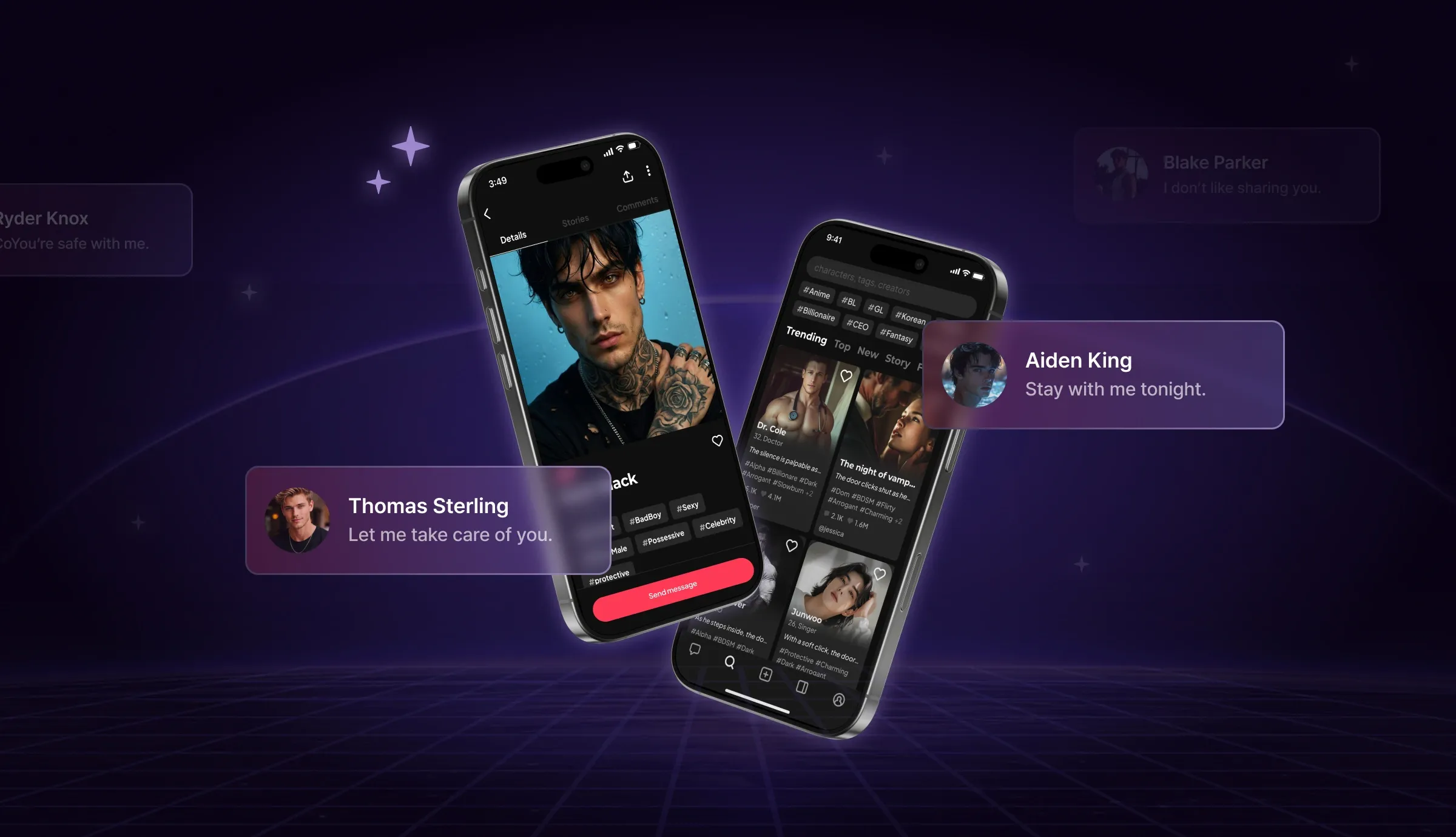
Sometimes the first place you trust that feeling is somewhere completely private, where you don’t have to explain it or justify it to anyone. dotdotdot is a private conversation space where you can say what you’re actually thinking and explore it without pressure.
Table of Contents
If You’re Already Asking the Question, That’s Your Answer
Feeling alone inside a relationship is more common than most people can admit. It doesn’t mean things are broken beyond repair. It doesn’t mean you’re too sensitive or asking for too much. It means there’s a gap between the connection you know is possible and the one you’re actually experiencing.
That gap is real. And the fact that you can feel it, specifically enough to go looking for confirmation, shows high emotional intelligence.
The signs below are a way of helping you understand what you’re already sensing.
The 8 Signs (But Not the Ones You Usually See on a List)
Most articles give you a behavioral checklist:
- he doesn’t ask about your day
- he’s always on his phone
- he doesn’t plan ahead
Those things matter. But they describe what he’s doing, not what it feels like to be you.
Here’s what it actually feels like from the inside.
1. You stop bringing things up because you can already feel the dismissal before you’ve said a word.
It’s not that you’ve stopped having thoughts or feelings. But, somewhere along the way, sharing them started costing more than it gave back. So you swallow the thing you were about to say. You’ve gotten very good at protecting yourself from a conversation that was never going to go the way you needed.
2. You feel lonelier sitting next to him than you do when you’re actually alone.
Alone-alone is fine. You know how to be with yourself. But sitting in the same room as someone who isn’t really there, scrolling, spaced out, produces a specific kind of ache that solitude never does. The loneliness hits hardest when he’s right in front of you.
3. You’re doing relationship maintenance as a solo sport.
You track how things are going. You bring things up, suggest the plans, notice when something feels off, try to repair it. He participates when prompted, maybe. But the emotional administration of the relationship lives entirely with you. You’re not in a partnership. You’re managing something.
4. You change what you share based on what he can handle.
Not to protect him out of love, but because experience has taught you that certain feelings land badly. So you manage the dose. You soften the delivery. You save the real version for later: your notes app, your best friend, your own head at 2am. You’ve become a curated version of yourself in your own relationship.
5. You feel like you’re performing a relationship rather than having one.
There are moments, dates, a photo together, a perfectly normal Saturday, where the gestures are all correct. But there’s a barrier between you and the experience. You’re watching yourself be in a relationship rather than actually being in one.
6. You feel quietly relieved when he makes plans without you.
Not because you don’t love him. But when he’s not there, you don’t have to manage the distance between you. You can just exist without tracking the gap.
7. You’ve started keeping your real feelings somewhere else.
A journal. A voice note. A friend who actually asks follow-up questions. Some women describe an AI companion as the first place they said out loud what they’d only been thinking. dotdotdot was built for exactly that: a private space where you don’t have to perform or protect yourself.
8. You miss him, even when he’s right in front of you.
Not the relationship in theory. Him. The version that felt present and curious and actually there. You’re grieving someone who is technically still around.
Is This a Rough Patch or Something That’s Been There a While?
Not every stretch of disconnection means something is wrong. Relationships go through difficult patches without it being evidence of a deeper problem. Here’s a simple way to locate yourself.
The context layer. Is there an obvious external stressor in the picture: a new baby, a job crisis, a health issue? Distance during high-stress periods is often temporary. If you can point to a specific thing that changed, that matters.
The repair layer. When you reach toward connection, a conversation, a bid for closeness, an attempt to say something that’s coming from your heart, does he meet you there? Responsiveness, not perfection, is the signal. If every attempt consistently goes nowhere, that’s different from a partner who’s struggling but trying.
The trajectory layer. Is the baseline getting better, staying flat, or quietly getting worse? Phases tend to resolve. Patterns tend to deepen.
You don’t need a verdict from these questions. You just need to know which one you’re in.

What the Signs Are Actually About (It’s Not About Him)
The instinct when reading a list like this is to translate it into conclusions about your partner, what he’s failing, what he’s not providing. But that’s only half the picture.
What the signs are really pointing to are needs. Specific, legitimate needs: to feel truly heard, not just responded to. To feel like a priority, not an second thought. To feel known. And to feel like the emotional effort runs both ways.
Naming the need is more useful than cataloguing the failure. Once you know what’s actually missing, you have something real to work with, whether that leads to a conversation, a decision, or just more clarity about what you want.
What You Do Next Is Completely Up to You
Recognizing yourself in several of these signs doesn’t obligate you to do anything specific. It does give you more clarity than you had, and clarity is always useful, whatever you decide to do with it.
Here are three honest directions, depending on where you actually are.
If you think there’s something worth saving. Start small. Don’t lead with “I feel alone in this relationship.” Lead with one specific, low-stakes request: ask for an hour without phones, ask him to check in with you about something that matters to you. How he responds to a small ask tells you a lot about what’s possible with a bigger conversation.
If you’re not ready for any conversation yet. That’s okay too. Before any big talk or big decision, build your own emotional ground first. Find the spaces where you’re allowed to be fully yourself: friends who actually ask follow-up questions, places where you don’t have to hold back what you want to say. A stronger internal foundation makes everything else clearer.
If you already know. If you read that list and something quietly said yes, all of it, for a long time, give yourself permission to know that. You don’t have to act on it today. But you’re allowed to stop pretending you don’t know what you know.
You came here with a question. You’re leaving with more clarity than you arrived with. That’s already something.

Sometimes You Just Need Somewhere to Say It Out Loud
dotdotdot is a space where you choose the character, lead the conversation, and say what you’re actually thinking. No performance required.
Frequently Asked Questions About Feeling Alone in a Relationship
What are the signs you are alone in a relationship?
The most telling signs you are alone in a relationship are emotional rather than behavioral. You stop sharing things because you already know how they’ll land. You feel lonelier next to your partner than you do by yourself. You’re carrying the emotional weight of the relationship solo. You’ve started keeping your real feelings somewhere else entirely.
Is it normal to feel alone in a relationship?
Yes, and more common than most people admit out loud. Feeling alone in a relationship doesn’t mean the relationship is over or that something is wrong with you. It usually means there’s a gap between the emotional connection you need and the one you’re currently experiencing. That gap is worth paying attention to.
What is the difference between feeling alone in a relationship and just going through a rough patch?
The difference comes down to pattern vs phase. A rough patch has an identifiable cause (stress, grief, a major life transition) and tends to resolve over time. Feeling alone in a relationship is more persistent: your attempts to connect consistently go unmet, and the baseline isn’t improving. If you’ve been feeling this way for months without any movement, that’s more than a rough patch.
What should I do if I feel alone in my relationship?
Start by naming what’s specifically missing, not just that something feels off. From there, your options depend on what you find: an honest conversation with your partner, individual or couples therapy, building emotional outlets outside the relationship, or simply taking time to get clear on what you actually need before making any decisions.
Can you be in love and still feel alone in a relationship?
Yes. Feeling alone in a relationship isn’t the same as falling out of love. You can love someone and still feel emotionally unreachable to them. The loneliness isn’t about whether the love is there. It’s about whether the connection is.

Start a Conversation That’s Entirely Yours
Pick a character, set the scene, and see where the story goes. dotdotdot was built for women who want a private space to explore connection on their own terms.