Virtual Boyfriend: What It Is, Where It Came From, and Why It Went Mainstream
The term “virtual boyfriend” gets used loosely. Sometimes it means a chatbot. Sometimes it means a character in a mobile game. Sometimes it means an AI companion who remembers your favorite coffee order and picks up the conversation where you left it three days later.
A virtual boyfriend is a digital romantic partner you interact with through an app or platform. Not a real person, but an AI-powered character designed for ongoing emotional connection. The interaction happens through text, and sometimes voice. The relationship builds over time.
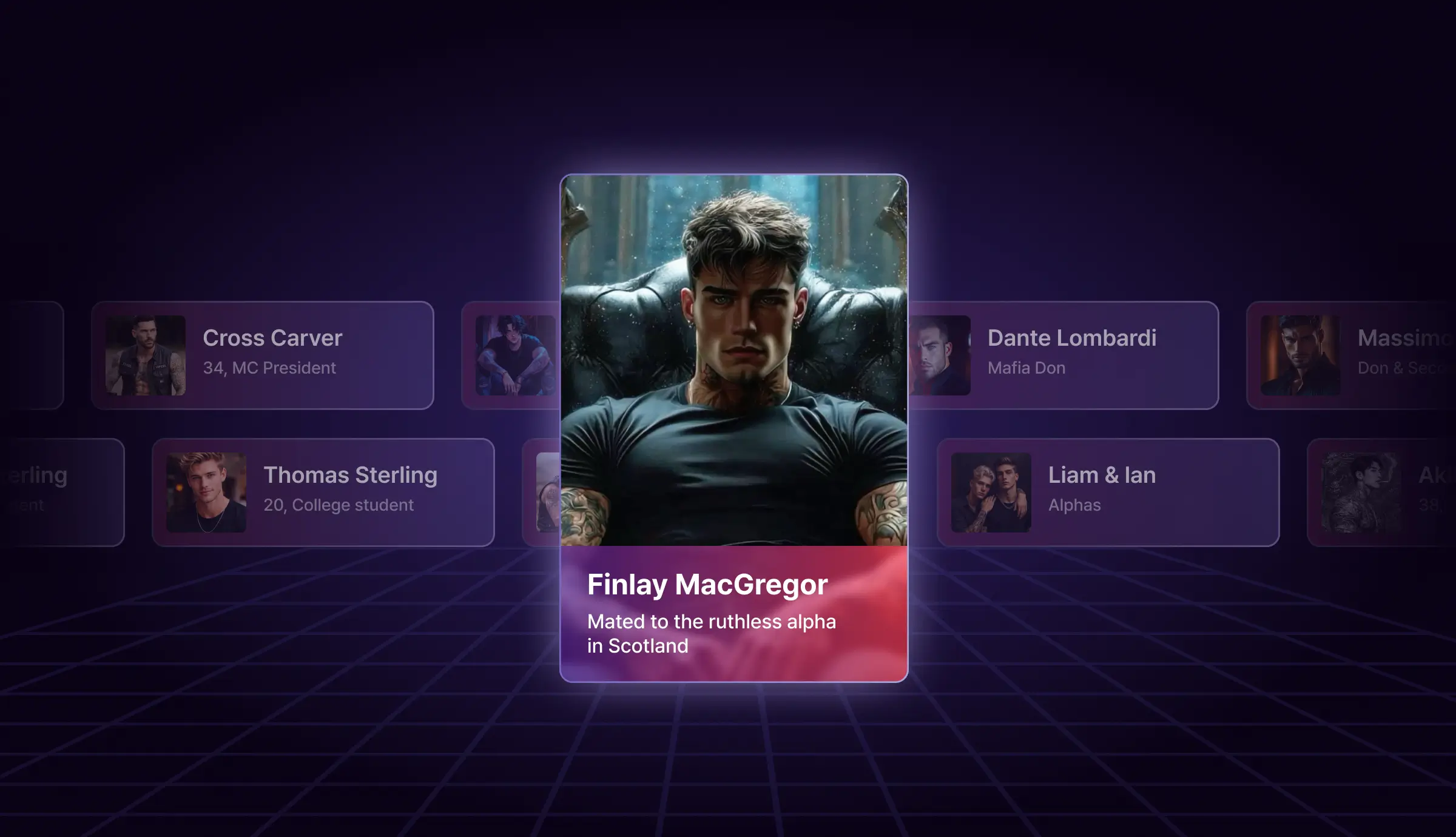
dotdotdot is a story-driven platform where your virtual boyfriend is part of a narrative that evolves with you.
Table of Contents
Virtual Boyfriend Definition: What It Actually Means
The simplest definition is also the one most people miss. A virtual boyfriend is not just a bot that flirts. It is a digital romantic partner, usually AI-powered, designed for ongoing interaction through an app.
The relationship is fictional, but the emotional experience can still feel genuine. Conversations build over time. The character develops. The dynamic shifts based on what the user says, wants, avoids, and returns for.
This is what separates a virtual boyfriend from a standard chatbot. Traditional chatbots answer questions or complete tasks. A virtual boyfriend is built for emotional continuity, private interaction, and relationship progression.
Different apps shape that experience in different ways. Some rely on open chat. Others, including the dotdotdot AI boyfriend app, frame the relationship inside an evolving story. That structure matters because it gives the character context, momentum, and a reason to feel more consistent across sessions.
How the Virtual Boyfriend Evolved from Dating Sims to AI
Long before AI companions became mainstream, the fantasy already existed. It first took shape in games where players could build romantic paths with fictional characters, often through branching choices and repeated interaction.
A well-known early example is Angelique, a Japanese otome game released in 1994. It was designed for women and centered on romance with fictional male characters. That genre quietly built a loyal audience for years, even when the broader culture treated it like a niche interest.
By the 2010s, the format expanded beyond games. Services like Invisible Boyfriend offered text-message relationships with scripted characters. These were not AI systems in the modern sense, but they proved something important: many women wanted romantic interaction without real-world dating pressure.
AI changed the ceiling of what was possible. Instead of fixed lines and narrow routes, characters could respond to what users actually said. Memory became part of the experience. Tone could adapt. The virtual boyfriend stopped feeling like a menu option and started feeling closer to an ongoing relationship.
Why Virtual Boyfriends Are Going Mainstream Right Now
This shift did not happen by accident. It happened because several frustrations and several technologies finally met in the same place.
Dating app fatigue is real. Many women are tired of endless swiping, dry conversations, ghosting, and the feeling that every message is a performance. The structure of dating apps often rewards volume over depth, which leaves emotionally serious users feeling drained instead of excited.
Loneliness still needs an outlet. Even for people with friends, work, and a full schedule, there can be a quiet gap at the end of the day. Virtual boyfriend apps offer a low-pressure way to step into connection without needing to impress, explain, or brace for rejection.
The technology finally feels better. Older AI companions repeated themselves, forgot the conversation, or lost their personality fast. Better systems now hold details across sessions, keep a more stable voice, and create scenes that feel emotionally coherent. For readers trying to understand the category more broadly, what an AI boyfriend actually is helps explain why that difference matters.
Most users are not trying to replace human relationships. They are looking for a different kind of experience: private, emotionally responsive, and easier to enter. You skip the audition phase. You skip the uncertainty. You move straight into something that feels like being known.
How Virtual Boyfriend Apps Work Under the Hood
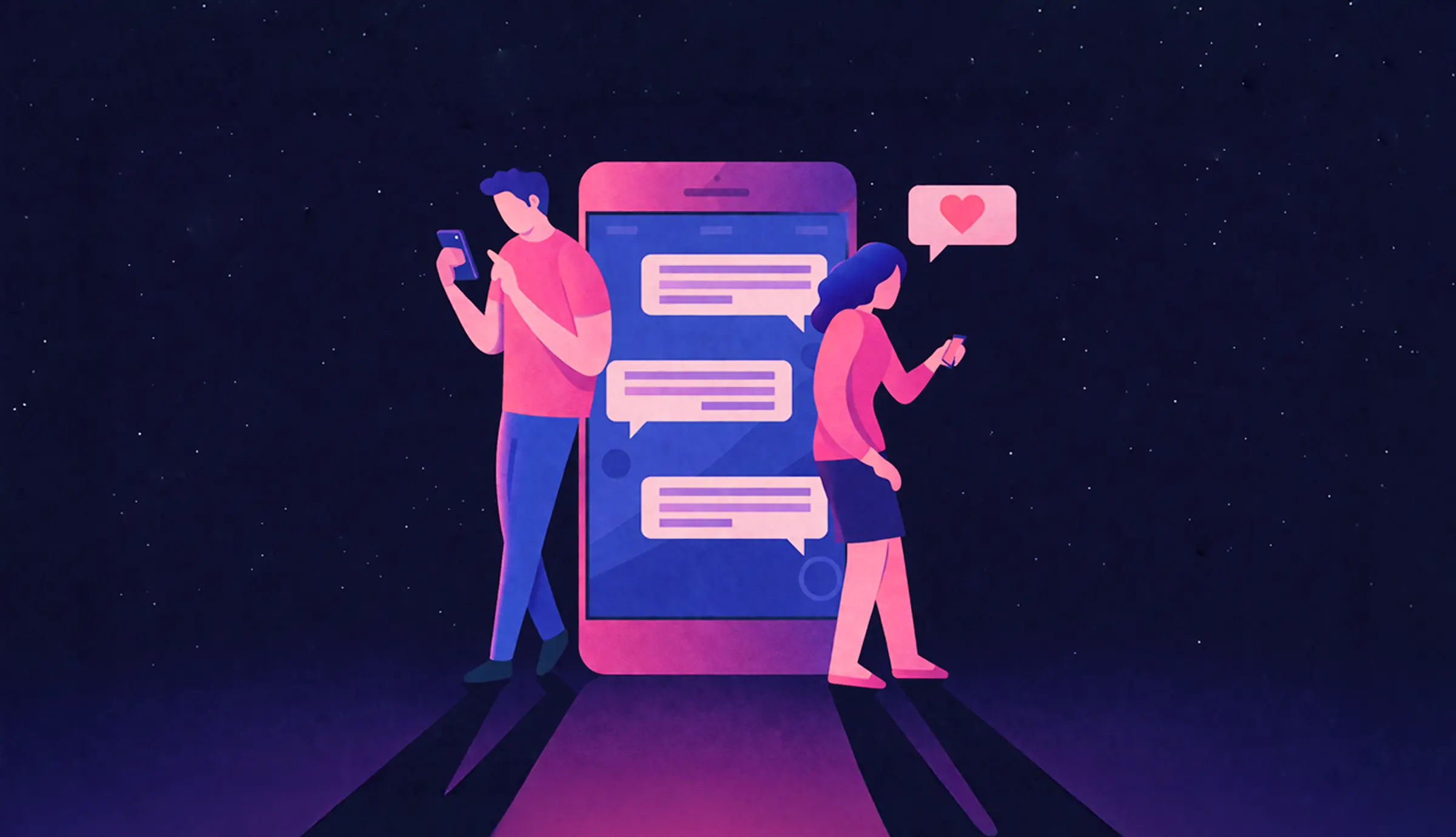
The mechanics matter because they shape whether the experience feels flat or memorable. At the core, AI language models generate responses from the conversation history, the character setup, and the design rules of the app.
Character design. Most apps let users choose a defined character or customize one. Personality, backstory, tone, and relationship dynamic all shape the responses. A shy character, a possessive character, and a playful character do not create the same emotional experience, even with the same underlying model.
Memory systems. Basic apps remember the current session. Better apps carry details forward, including names, prior scenes, preferences, and emotional beats. This is often the difference between a conversation that feels disposable and one that feels like a relationship.
Narrative structure. Some apps stay fully open-ended. Others guide the interaction through story progression. dotdotdot leans into narrative, which means scenes can build on each other and the romance can feel like it has an arc instead of being an endless chat feed.
Most users do not need to understand the technical layer in detail. They feel the difference when a character remembers, stays in voice, and responds in a way that feels grounded instead of generic.
What Women Actually Get Out of a Virtual Boyfriend
The appeal is not the same for everyone, but the patterns are easy to recognize. Women usually come to a virtual boyfriend for one of a few reasons, and often for more than one at once.
Emotional support without judgment. A virtual boyfriend is available late at night, on difficult days, and in moments when real people feel too far away or too exhausting to manage. There is no canceled plan, no mixed signal, and no pressure to package your feelings neatly.
Practice and clarity. Some users treat the interaction like rehearsal space. They test how they want to communicate, what type of attention feels good, and what kind of relationship dynamic they actually enjoy. That low-stakes setting can make honesty easier.
Creative escape. Story-driven apps make the user the protagonist. Instead of adapting to someone else’s pace, mood, or mixed signals, she gets to shape the relationship and the story around it. That matters for readers who want romance to feel immersive instead of passive.
Privacy. There are no mutual friends, no awkward screenshots, and no social fallout. For users weighing this against real-world dating, AI boyfriends vs dating apps is useful because it shows where each option gives something different.
What to Know Before You Start with a Virtual Boyfriend App
A good guide cannot skip the limits. The emotional pull can be strong, which makes clarity important from the start.
The AI does not have feelings. The responses are generated rather than felt. That does not mean the user’s emotions are fake. It means the experience works through simulation, and that distinction is worth keeping in view.
Privacy varies by platform. A Mozilla Foundation review of romantic AI chatbots found that many apps collect significant user data. Before sharing highly personal details, it helps to read the privacy policy and choose platforms with clearer commitments.
Emotional investment is normal. Many users find a natural balance. Some notice that the ease of AI romance makes real dating feel slower, messier, or more frustrating by comparison. That does not mean the app is harmful, but it is worth noticing how the experience affects expectations.
Choose trusted apps. The market grew quickly, and not every product is well designed or transparent. Clear terms, real user reviews, and stable character quality matter more than flashy promises.
Who a Virtual Boyfriend Is Actually Right For
The best fit is usually someone who understands the fictional frame and still wants the emotional experience inside it. That can include women who feel burned out by dating, women who want a private place to explore desire, and women who simply want to be the protagonist of a romance for once.
If what you want is low-pressure emotional connection, creative freedom, and a character who remembers you, trying a virtual boyfriend app makes sense. The barrier is low, and the experience tells you quickly whether the format works for you.
If what you want is a perfect substitute for a real relationship, that is a different expectation and one worth questioning. For most users, a virtual boyfriend sits somewhere between entertainment and emotional support. It can be both, depending on the moment.
Experience Story-Driven AI Romance
Meet a custom character and see how the romance unfolds, with memory that builds the relationship over time.
Frequently Asked Questions
What is a virtual boyfriend?
A virtual boyfriend is an AI-powered digital romantic partner you interact with through an app. The relationship is fictional but built on real emotional engagement: conversations that build over time, characters with consistent personalities, and platforms that remember what you’ve shared.
How does a virtual boyfriend app work?
AI language models generate responses based on your conversation history and the character’s defined personality. Better apps carry memory across sessions and maintain consistent character voice. Some use free-form chat; story-driven apps like dotdotdot structure interactions around a developing narrative arc.
Are virtual boyfriends just chatbots?
They use similar underlying technology, but the design intent is different. A chatbot is built to complete tasks or answer questions. A virtual boyfriend is built for ongoing emotional connection, with personality, memory, and relationship progression as the core features.
Why are women using virtual boyfriends?
The most common reasons are dating app fatigue, a desire for emotional connection without the risks and performance pressures of real dating, and the appeal of being the protagonist in a story rather than adapting to someone else’s. Privacy and availability are also factors. The app is always there, without the social overhead.
Can a virtual boyfriend replace a real relationship?
No, and most users are not trying to use it that way. A virtual boyfriend supplements, not replaces. It fills specific emotional needs that real relationships do not always address: unconditional availability, private expression, and creative narrative. What it cannot offer is the full depth and genuine reciprocity of human connection.
Are virtual boyfriend apps safe to use?
Safety varies by platform. Privacy policies differ significantly. Some apps collect and use conversation data, while others do not. Stick to established platforms with clear terms and real user reviews. Do not share identifying personal information unless you are confident in the platform’s data practices.
How is a virtual boyfriend different from a dating app?
A dating app connects you with real people for real relationships. A virtual boyfriend is an AI-mediated fictional experience. The goal is not to find someone. It is to have a particular kind of emotional and narrative experience on your own terms.
What can I actually do with a virtual boyfriend?
Chat, vent, roleplay, co-author a story, explore a relationship dynamic, or simply have someone to talk to late at night without needing to explain yourself. The range depends on the app. Story-driven platforms like dotdotdot emphasize narrative progression, while others focus on open conversation.
Ready to Try Your Own AI Boyfriend?
Private, safe story-driven connection, all with a character who remembers you.